FCL or LCL: when a part container is the smarter choice
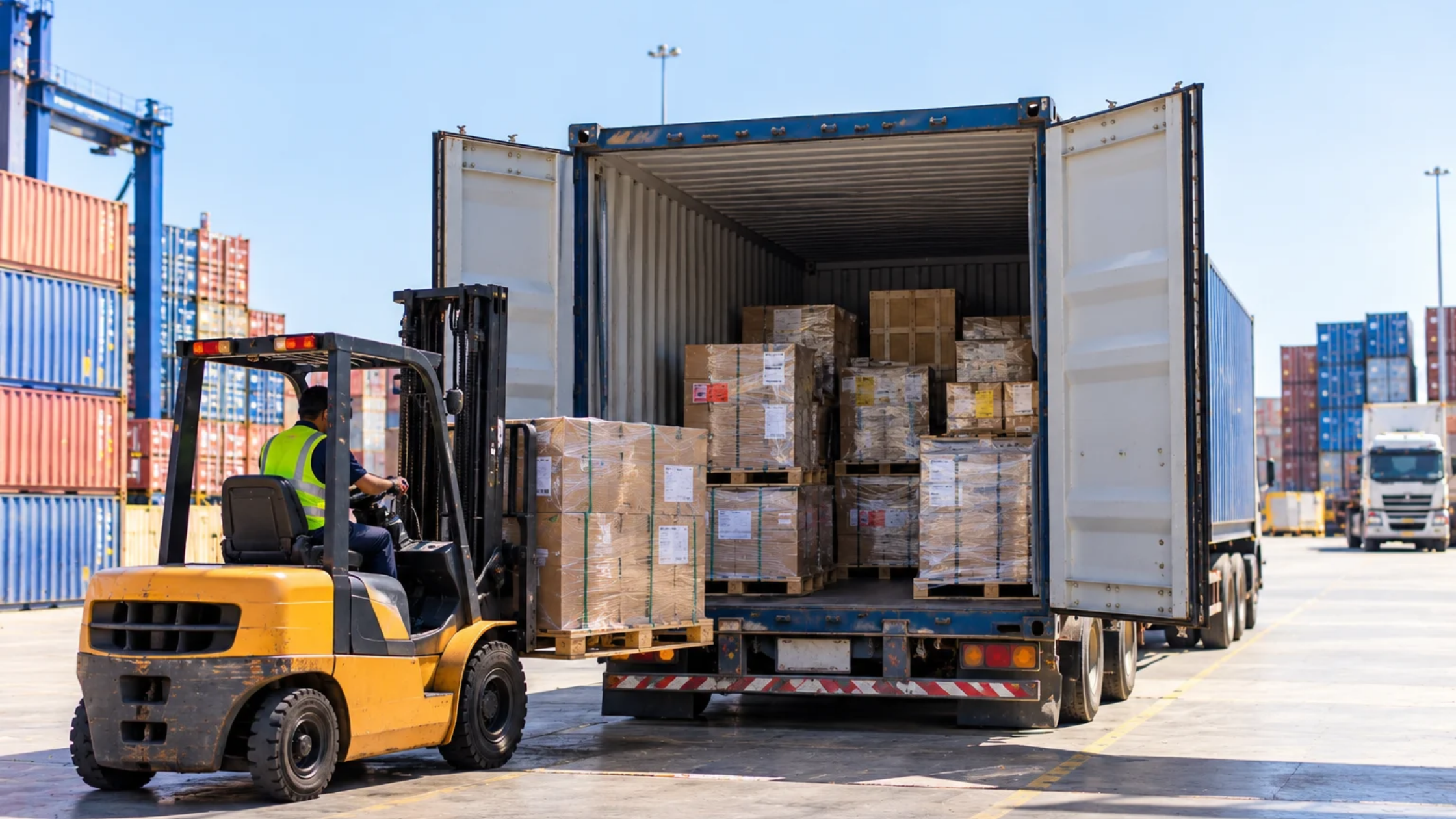
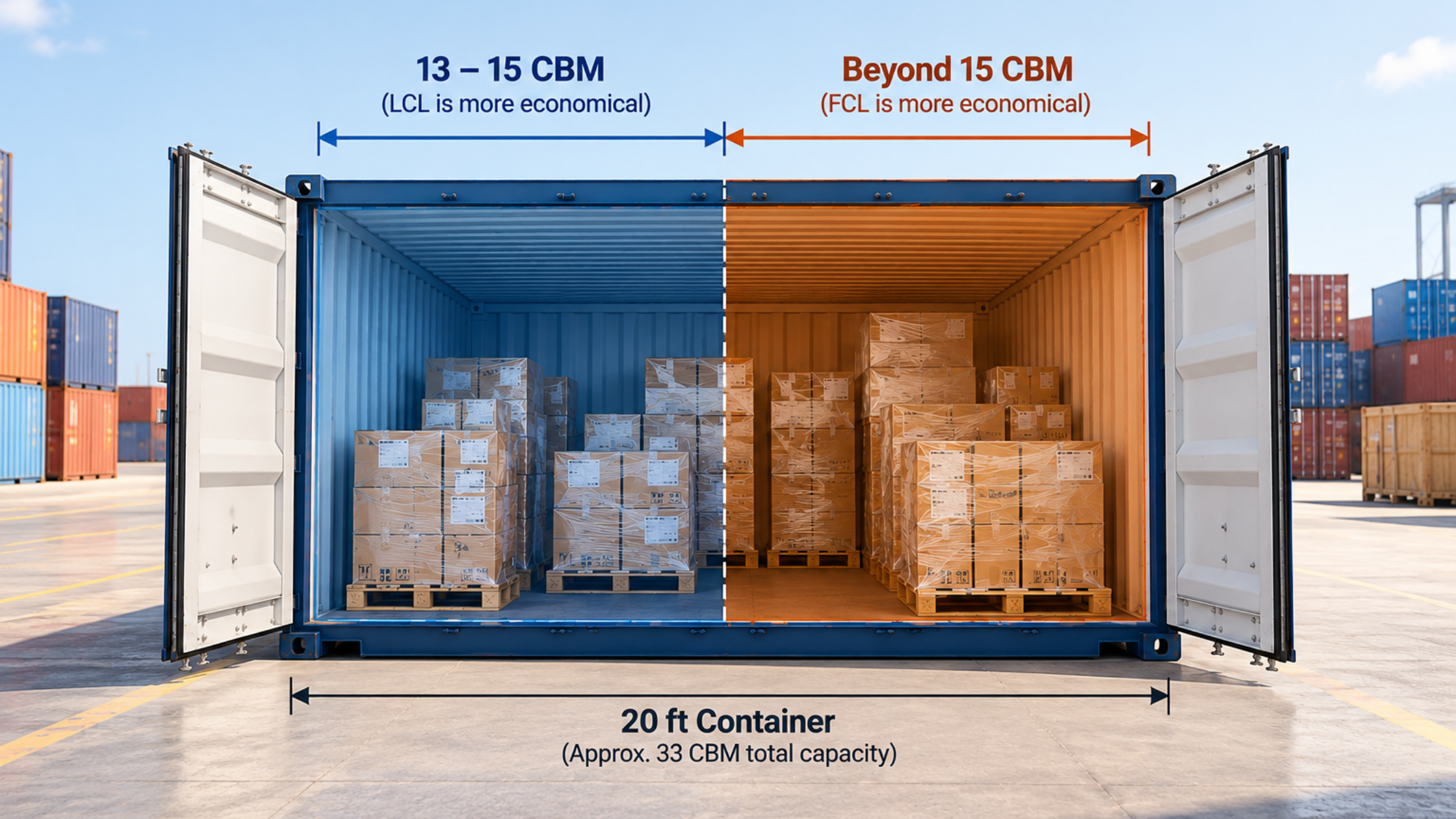
LCL, where your cargo shares a container with other shippers, makes sense for smaller volumes, roughly under 13 to 15 cubic metres. Above that, a full 20ft container usually costs less per cubic metre and moves faster. But volume is only part of the decision. Transit time, cargo fragility and total charges all matter.
What the two actually mean
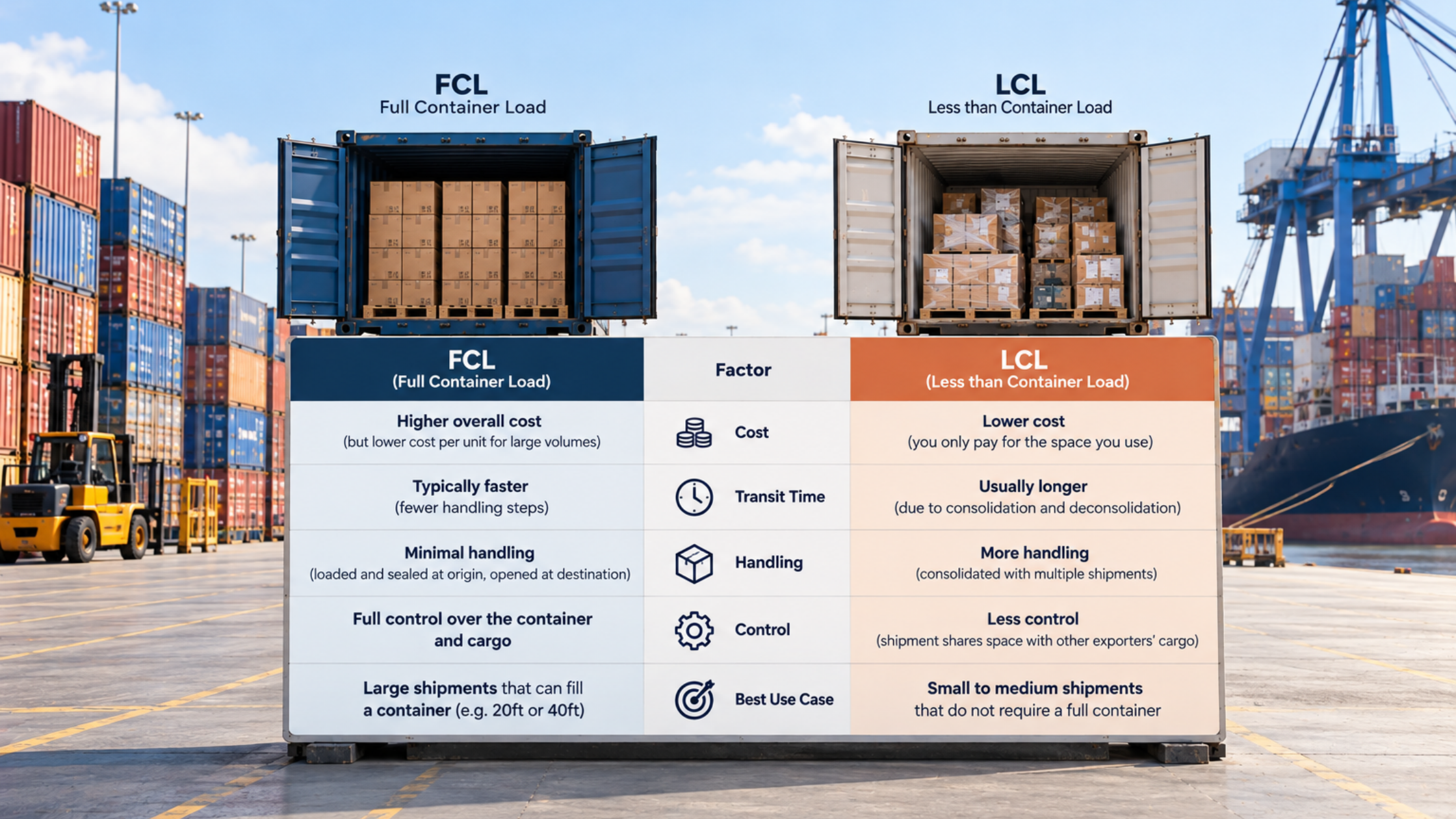
FCL (Full Container Load) means you book a whole container. It is sealed at your premises, and nobody else’s cargo goes in it. You pay for the container, whether you fill it or not. LCL (Less than Container Load) means your cargo goes to a consolidation warehouse, gets loaded into a shared container with other shipments, travels, then gets separated at the destination. You pay for the space you use.
The volume threshold
A 20ft container holds roughly 28 to 33 cubic metres of usable space depending on how it is packed. As a general rule, once your shipment passes around 13 to 15 cubic metres, a full 20ft container starts working out cheaper per cubic metre than LCL. Below that, LCL usually wins. This is a guide, not a rule. The crossover point moves with the lane, the season and current rates. On some routes at some times, FCL becomes competitive at lower volumes because carriers are discounting container space.
Always price both. The threshold is a starting assumption, not an answer.
Beyond volume: four things that change the decision
1. Transit time
LCL is slower than FCL, and not because of the sea leg. The delay sits at both ends. Your cargo waits at origin for the consolidation container to fill and sail. At destination it waits for deconsolidation before you can collect it. Allow extra days at each end. If the delivery date is tight, FCL removes those waiting periods.
2. Cargo handling
LCL cargo is handled more. It is loaded, stowed alongside other shipments, moved, then unloaded and separated. For robust, well-packed goods this is fine. For fragile items, or anything that will suffer if something heavy is stacked next to it, the extra handling is a real risk.
3. Charges at destination
This is where LCL surprises people. The headline LCL rate covers the sea freight. Destination charges for deconsolidation, warehouse handling and documentation are often separate, and they do not scale down with small volumes. For a very small shipment, these fixed charges can outweigh the freight itself. Ask for the full landed cost, not the rate per cubic metre.
4. Control
With FCL you control what goes in the box and when it is sealed. With LCL your cargo moves on someone else’s schedule and sits next to someone else’s goods. If you are shipping something sensitive, valuable or unusual, that matters.
Packing rules for LCL
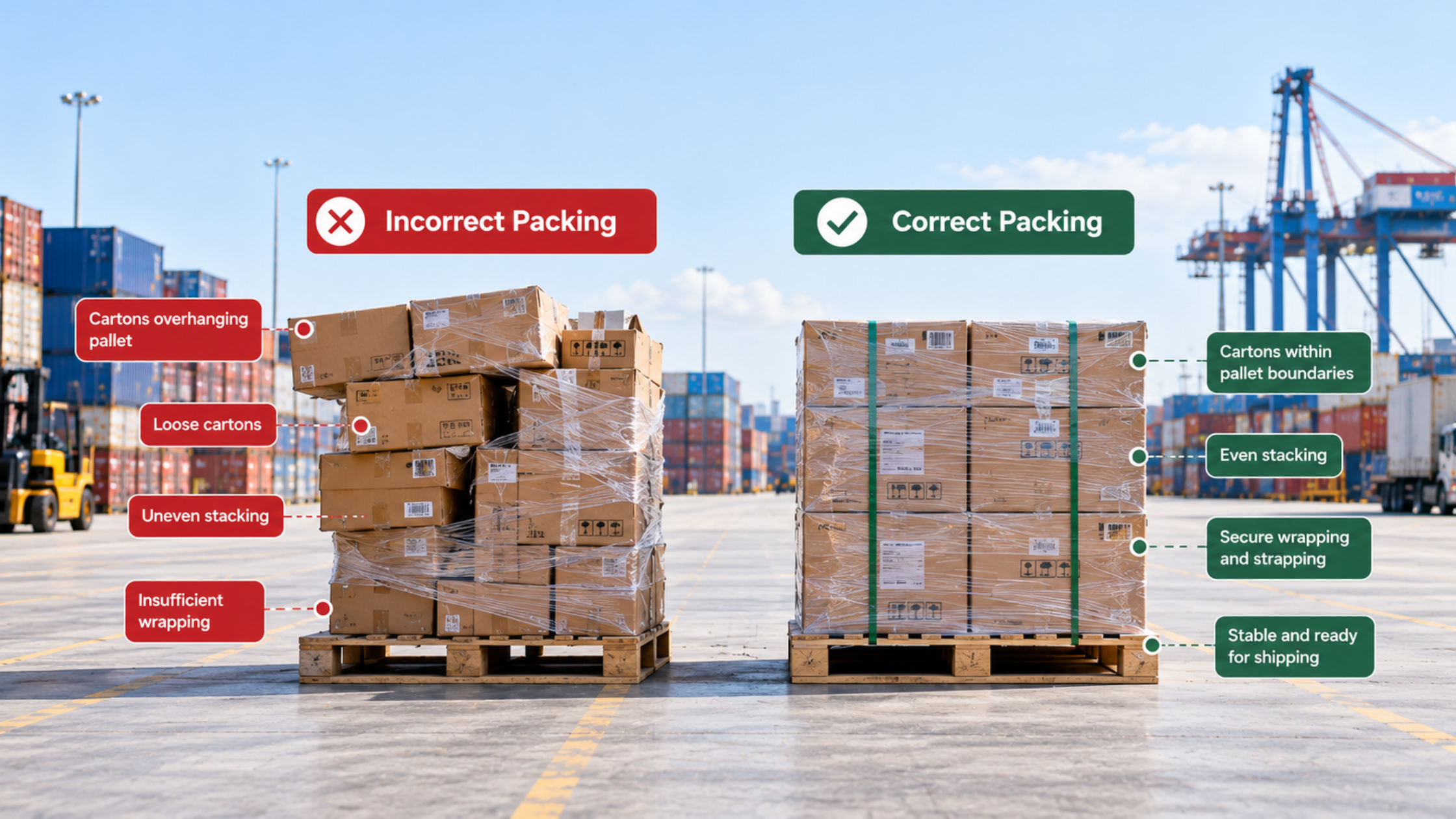
Because LCL cargo is handled repeatedly and travels with strangers, packing matters more.

- Palletise wherever you can
- Strap and shrink wrap every pallet
- Avoid overhang, since anything sticking out gets damaged
- Mark every carton clearly with the shipment reference
- Make sure the carton count matches the packing list exactly
- Photograph the cargo before it is collected

That last point costs nothing and settles disputes.
When LCL is genuinely the better choice
- You are testing a new market and shipping a trial quantity
- Your buyer orders small quantities frequently
- You would rather ship monthly than quarterly to keep cash moving
- Your product is compact and high value relative to its size
- You are a new exporter and do not yet have the volume for FCL

The last one matters. Waiting to accumulate a full container in order to save on freight often costs more in delayed sales
than it saves.
Frequently asked questions
What is the minimum volume for LCL shipping?
There is no fixed minimum, but very small shipments become uneconomical because fixed handling and documentation charges dominate. Compare against courier or air options at the small end.

Is LCL cheaper than FCL?
For smaller volumes, yes. Once you approach roughly half a 20ft container, FCL usually becomes cheaper per cubic metre.

How is LCL priced?
Usually on whichever is greater, one cubic metre or one tonne. So a heavy, compact shipment may be charged on weight rather than volume.

Is LCL slower than FCL?
Yes, mainly because of consolidation at origin and deconsolidation at destination. The sea leg is the same.

Is my cargo safe in a shared container?
Well-packed and palletised cargo travels fine. Poorly packed cargo is the one that gets damaged, because it will be handled several times and stowed next to heavier goods.

Can I ship dangerous goods as LCL?
Sometimes, with the correct documentation and subject to compatibility with the other cargo in the container. Declare it early, because it affects whether the shipment can be consolidated at all.
Not sure which one fits?
Uni Traans Log handles FCL and LCL from anywhere in India. Send us your dimensions and delivery date and we will price both, including destination charges, so you can compare properly.
business@utlgroup.in +91 7400155630