Demurrage and detention
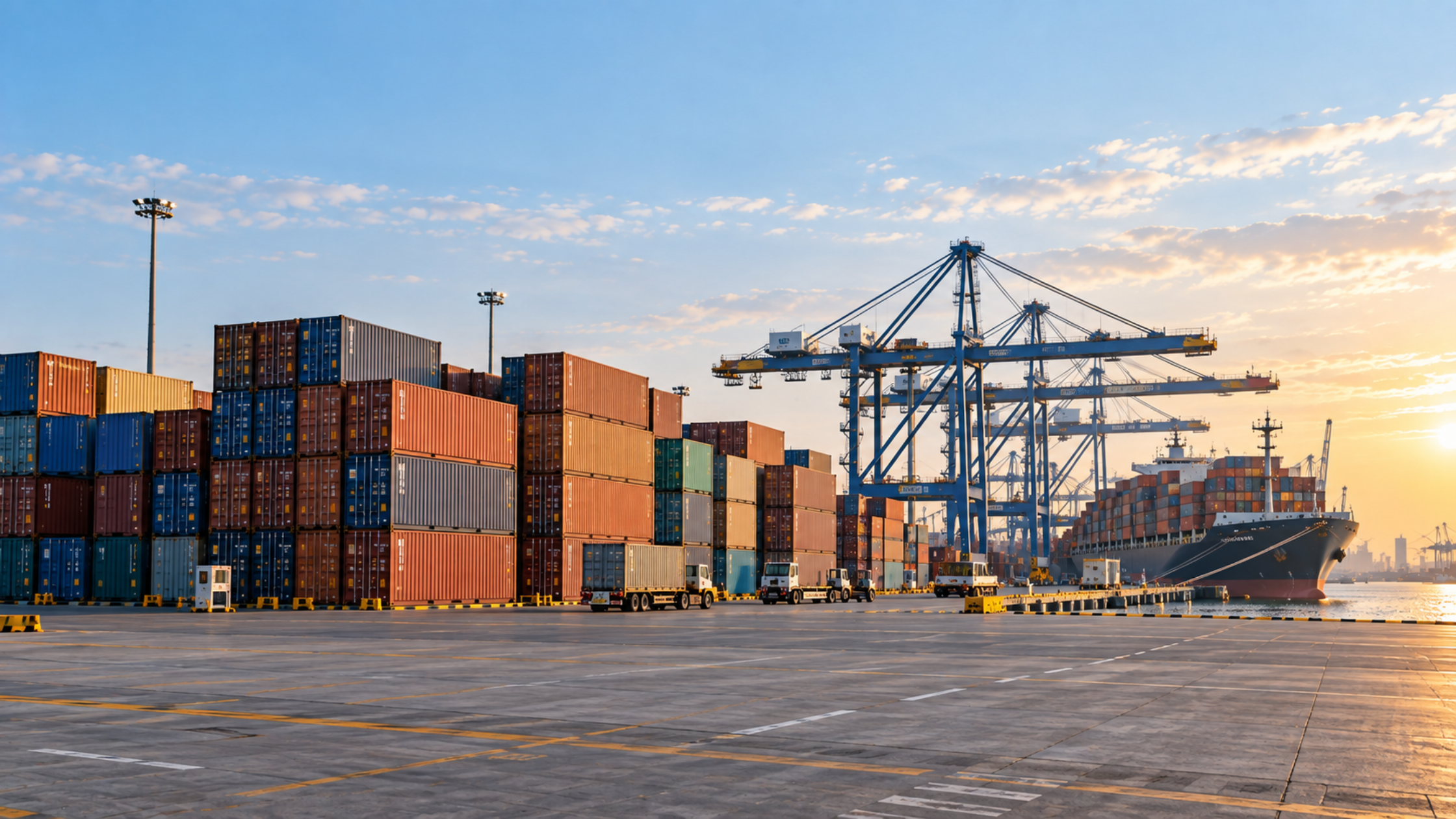
Demurrage and detention: what they cost and how to avoid both
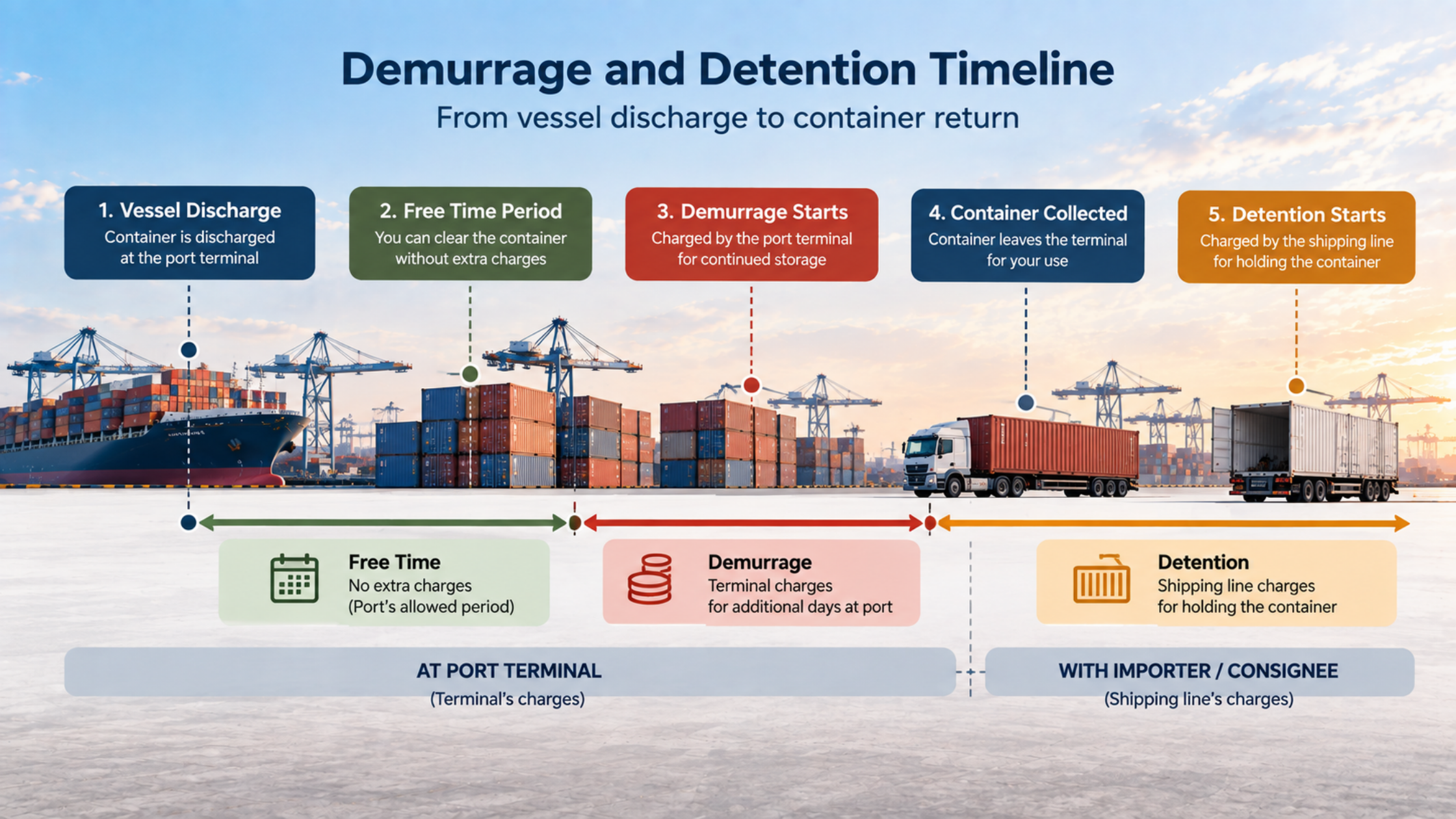
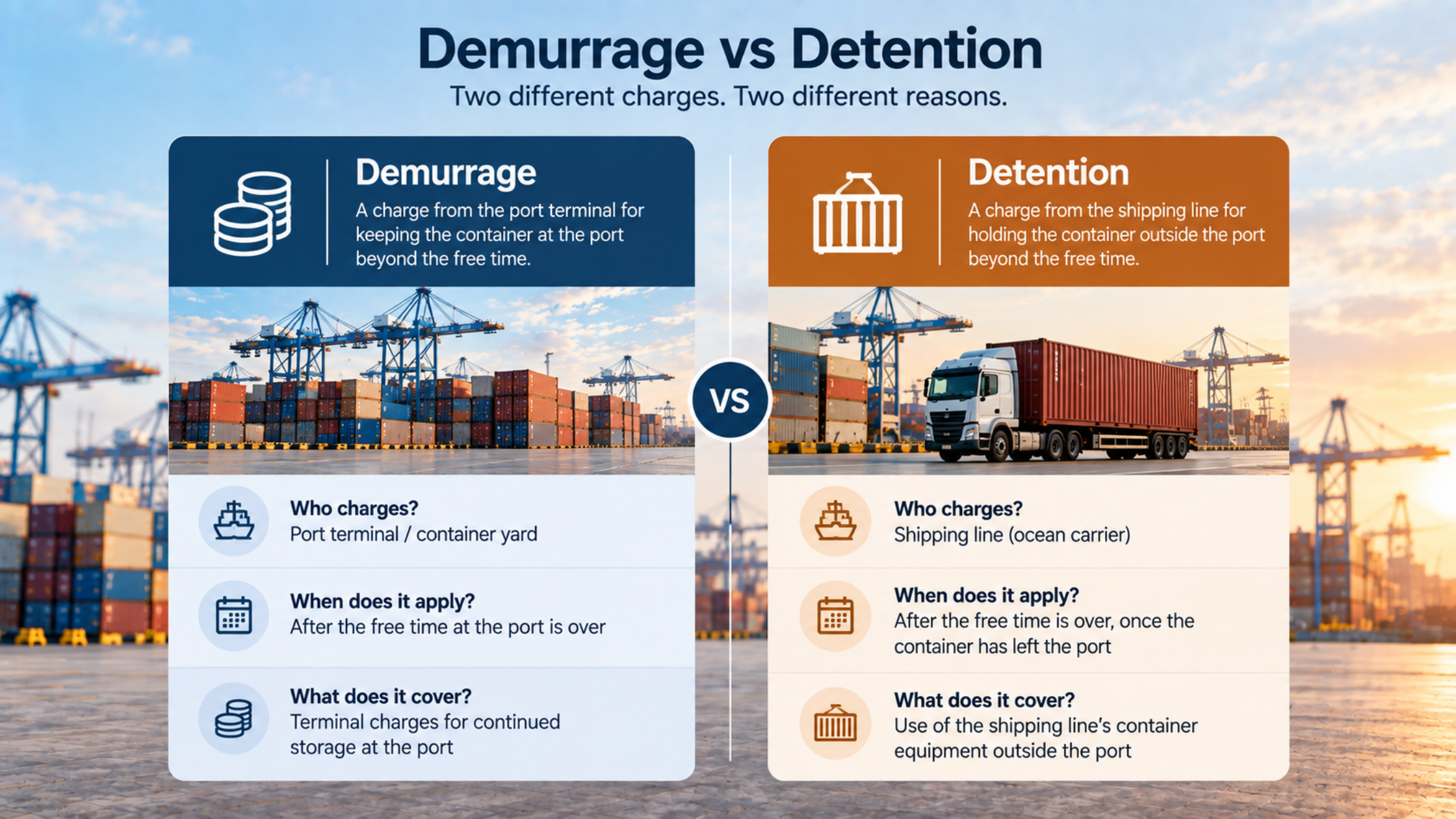
Demurrage is charged when your container stays inside the port or terminal beyond the free time allowed. Detention is charged when you have taken the container out of the terminal and keep it beyond the free time. Both are daily charges, both escalate, and both are almost always caused by paperwork rather than by transport.

If your cargo is sitting somewhere costing you money every day, skip to the checklist at the end.
The difference, in one line each
Demurrage: the container is inside the terminal and has not moved. You are paying the terminal and the shipping line for occupying space.

Detention: the container has left the terminal and is with you, at your factory or warehouse, and has not been returned empty. You are paying the shipping line for keeping their equipment.

You can be charged both on the same shipment. Demurrage while it sits at the port, then detention after you collect it and hold it too long.

There is also a separate charge some ports apply for ground rent or storage. Check which of these applies at your location.
How free time works
Shipping lines allow a set number of free days. The count usually starts from the day the container is discharged from the vessel, not from the day you were told about it.

Free time varies by line, by port, by trade lane and by contract. Some lines offer extended free time as part of a negotiated rate. Some offer very little.

Weekends and public holidays are often counted. That matters more than people expect, because a shipment landing on a Friday before a long weekend can burn most of its free time before anyone has opened the file.

Ask your forwarder for the free time in writing at booking, not at arrival.
What it actually costs
Rates are set by the shipping line and the terminal, and they are tiered. The first few chargeable days cost one rate, the next few cost more, and the rate keeps climbing.

This is deliberate. The charge exists to make you move the box, not to earn revenue. Which is why a container left for two weeks does not cost twice a container left for one week. It costs considerably more.

The practical point: the cost of solving the problem on day one is a fraction of the cost of solving it on day seven.
What actually triggers these charges
In practice, almost every case comes down to one of these:

Documents not ready. The bill of lading, invoice or packing list arrived late or with errors. Clearance cannot be filed without them.

Classification query. The HS code declared did not match the goods, and customs raised a query. The container waits while
it is resolved.

Duty not paid. Funds were not arranged in advance and the payment took days.

No clearing agent appointed. Nobody was instructed until the cargo had already landed.

Delivery not planned. The container cleared, but no transport was arranged, or the receiving warehouse could not unload it.

Notice that none of these are transport problems. They are all preparation problems, and all of them can be solved before the vessel arrives.
The checklist that prevents it
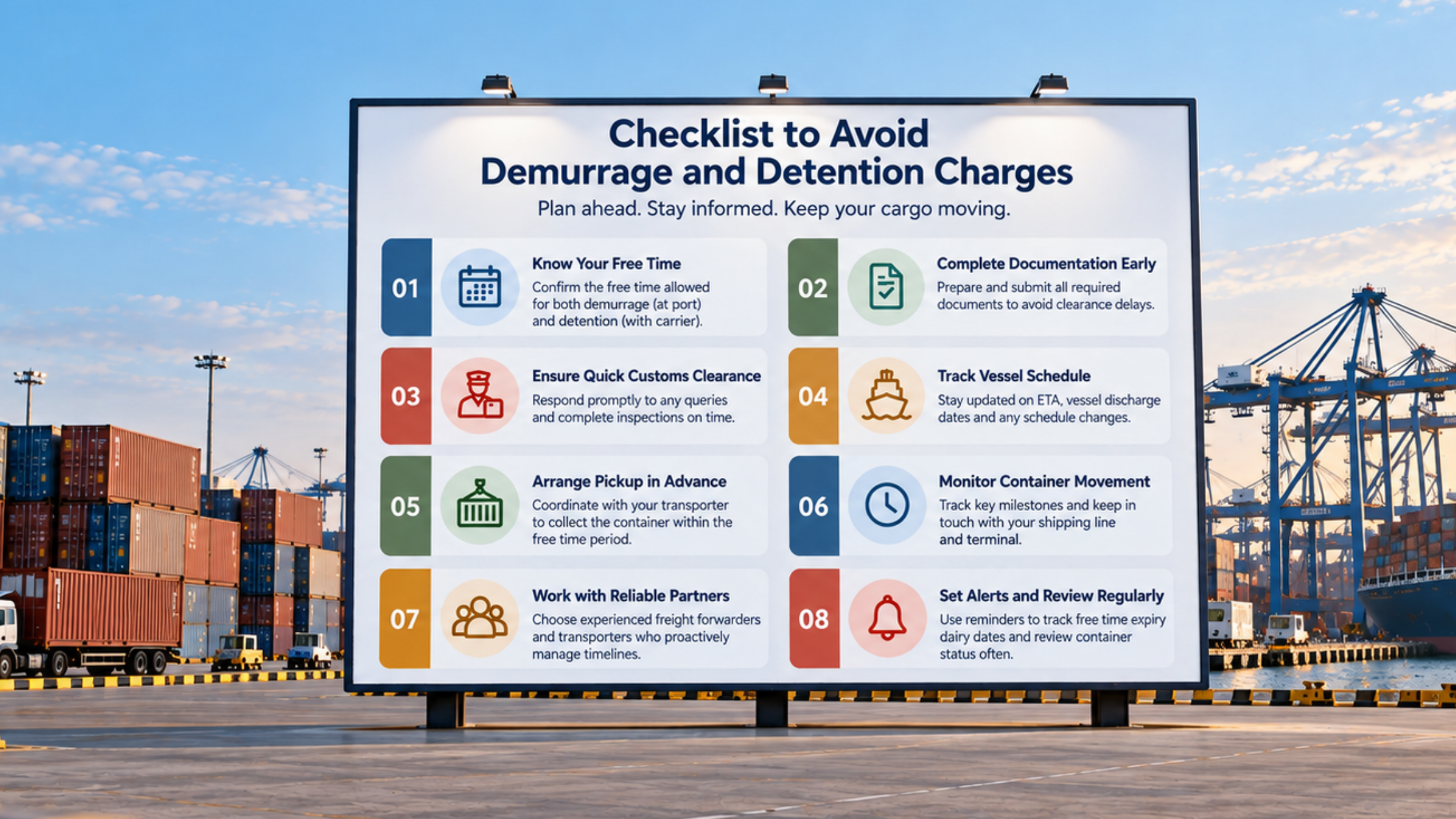
Do these before arrival, not after.

1. Confirm the HS code well before shipment, not at clearance
2. Get the free time in writing at the time of booking
3. Send complete documents to your clearing agent before the vessel arrives
4. Keep duty funds arranged and ready to release
5. Appoint your clearing agent early and confirm they have everything
6. Book transport and a delivery slot before the container is released
7. Plan unloading capacity at your warehouse
8. Return the empty container promptly

If you already have charges accruing, the priority order is: find out exactly what is blocking release, fix that single item, and get the container moving. Negotiate the charge afterwards. Arguing about the bill while the meter runs is expensive.
Frequently asked questions
What is the difference between demurrage and detention?
Demurrage applies while the container is inside the terminal. Detention applies once you have taken it out and are holding it.

Who pays demurrage, the shipper or the consignee?
It depends on the Incoterm and the contract. Usually the party responsible for import clearance pays, but check your terms, because disputes over this are common.

Can demurrage charges be waived or reduced?
Sometimes. Shipping lines occasionally reduce charges where the delay was caused by port congestion or a documented systems issue. It is a negotiation, not a right.

When does free time start?
Usually from discharge of the container from the vessel. Confirm this with your line, because the definition varies.

How can I avoid detention charges?
Plan the unloading and the empty return before you collect the container, and make sure the receiving location has capacity on the day.
Stuck right now?
Uni Traans Log clears import and export cargo across India, in house. If a container is sitting and the clock is running, call us and we will tell you what is blocking it.
business@utlgroup.in   +91 7400155630